Car Hire Logistics is Key to a Successful Self-Drive Safari
Car Hire logistics describes all things one must understand and consider when develops the idea to hire a car for their planned trip. This includes planning, coordination, and management of the car rentals.
For a successful self-drive safari one is required to simply hire a car and starting the engine. But Car hire logistics in Uganda involve choosing the right vehicle, planning routes, managing fuel, understanding road conditions, checking insurance and preparing for unexpected situations.
Choosing the Right Car
Choosing a vehicle that matches your itinerary is one of the most important part of car hire logistics. Well, this is not the first step of hiring a car, as all starts with a desire, plan and then inquire from the car rentals which proceeds selection.
In this process, it’s well known that the reason and purpose of traveling highly influences on which car rental is selected for driving.
In major coincidences there are two major rental considerations which are the 2wd and the 4wd vehicles. The simple city drives and trips which drive around towns and beaches need that simple 2wd drive, but all trips and drives going through remote, countryside and national parks only requires a 4wd.
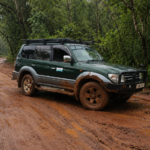
The 4×4 choices offer better ground clearance and stability on rough, muddy and uneven roads. This can be particularly useful when traveling to destinations such as Bwindi, Mgahinga, Kidepo Valley and Murchison Falls.
Whenever choosing a car rntal to use, consider the number of passengers, luggage, road conditions and activities. The cheapest car is not always the best option. Saving a little on the rental price is pointless if the vehicle struggles on your route.
Planning Your Route
Good route planning is essential for a self-drive safari in Uganda.
In most cases car rental agencies are better people to use planning your trip, this is because f their experience in the country. If need to have a fascinating and attractive self-drive trip in Uganda, the contact handler of Spotway Car Rentals to help you plan for your trip.
Before starting your journey, plan:
Your destinations and routes; this determines which car rental to use
Driving distances and estimated times; helps to schedule how and what time always to set off and drive to another destination and when and which activity to engage at what time.
Fuel stops; the kind of the destination and time of travel determines where to fuel your vehicle. In rural areas, and remote areas fuel stations are much more distanced than in towns. Also fuelling the car rental follows the rental contract which determines even on which fuel stations to fuel your car rental from.
Accommodation; planning determine which accommodation to use, here you consider either the budget or the experience one may wish for. There luxury lodging, mid-range and budget lodging and camping for travellers wishing to experience the outdoor camping experiences. In this case even
National park entrances
Alternative routes
Weather and road conditions
Avoid creating an itinerary with too many destinations. Give yourself enough time to enjoy the journey instead of spending the entire safari watching the clock.
Fuel Management
Fuel planning is another important part of car hire logistics in Uganda. Fuel stations are common in major towns but can become less frequent in remote areas. Always fill the tank before heading into isolated regions or national parks.
For long-distance journeys, identify fuel stations along your route and avoid waiting until the tank is nearly empty.
A reputable rental company should explain the vehicle’s fuel requirements and fuel policy before you leave.
Checking the Vehicle
Always inspect your rental vehicle before departure.
Check the tyres, spare wheel, lights, mirrors, windscreen, brakes, seat belts and basic tools. Make sure the vehicle has a functioning jack and wheel spanner.
It is also advisable to take photographs of the vehicle before starting your trip. This provides a record of its condition and can help prevent misunderstandings when returning the car.
The rental company should also explain how the vehicle operates and what to do in case of a mechanical problem.
Insurance and Documentation
Before signing your rental agreement, understand the insurance coverage provided.
Ask about third-party insurance, comprehensive insurance, the insurance excess, exclusions, accident procedures and roadside assistance.
You should also confirm whether your rental agreement allows travel to national parks or across international borders.
Do not assume that every type of damage is automatically covered by insurance. Understanding the terms before departure can prevent unpleasant surprises later.
Breakdown and Emergency Support
Even a well-maintained vehicle can develop a problem. This is why roadside assistance is an important part of car hire logistics.
Save the rental company’s emergency contact number and understand what to do if you experience a puncture, breakdown, accident or other problem.
If you are traveling to remote areas, share your itinerary with someone and make sure you have enough fuel, water and basic emergency supplies.
A reliable rental company should provide support when travellers experience vehicle problems during their journey.
Car Hire for National Park Safaris
National parks are among Uganda’s biggest attractions, but driving in these areas requires additional care.
When visiting parks such as Queen Elizabeth, Murchison Falls, Kidepo Valley and Lake Mburo, follow park regulations and remain on designated roads.
Wild animals can appear unexpectedly, so drive slowly and maintain a safe distance. Never attempt to approach animals too closely for photographs.
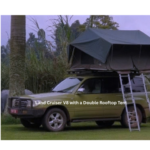
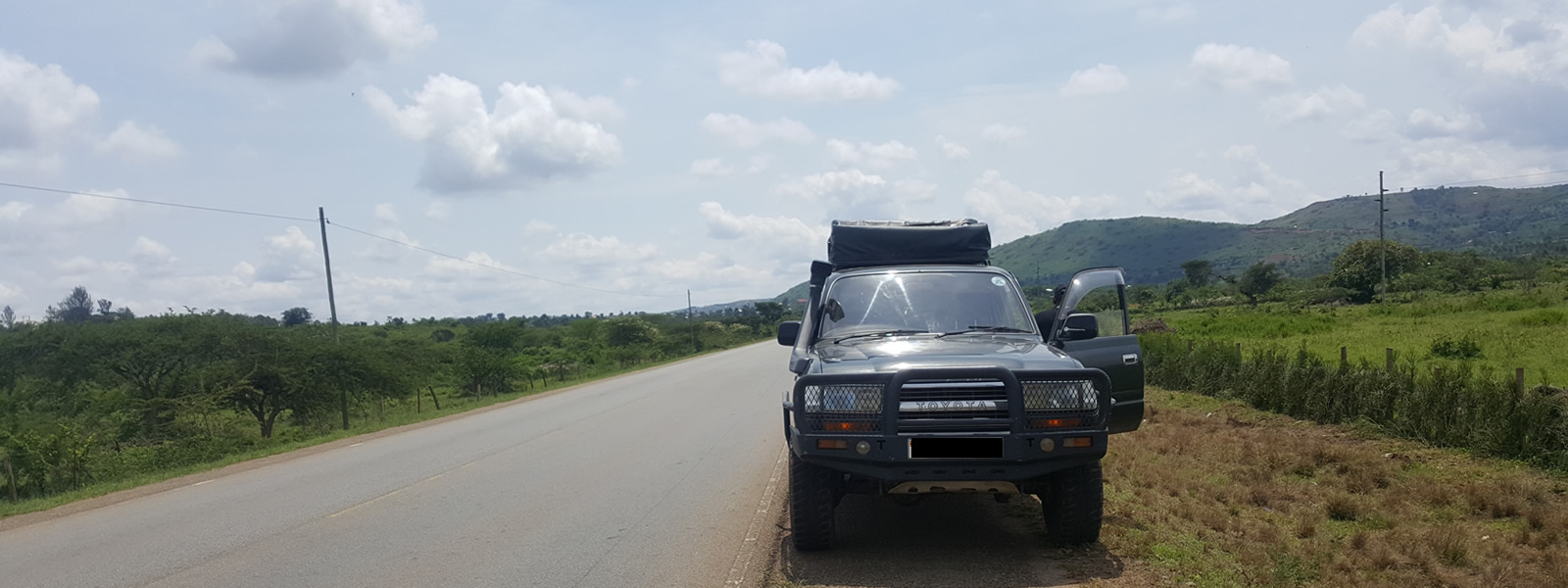
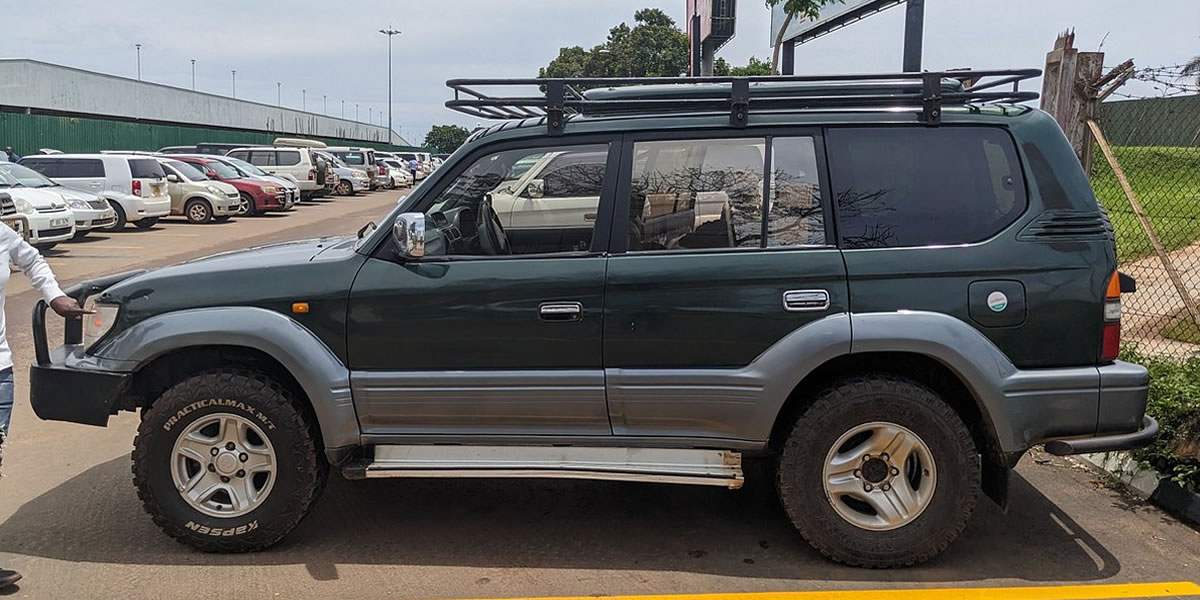
A suitable 4×4 vehicle is particularly valuable when navigating park tracks, especially during rainy periods. Among the fleets to choose include; Land Cruiser Prado TX, Land Cruiser V8, and Safari Land Cruiser.
Self-Drive or Hire a Driver?
Self-drive is ideal for travelers who want independence and flexibility. You can choose your own schedule, stop whenever you want and explore destinations at your own pace.
However, hiring a professional driver can be a better choice for travelers unfamiliar with Ugandan roads or planning long safari routes.
A local driver can assist with navigation, road conditions, fuel stops and general travel advice.
Conclusion
Car hire logistics in Uganda can make the difference between a stressful road trip and an unforgettable safari. Choose the right vehicle, plan your route carefully, manage your fuel, inspect the car, understand your insurance and keep emergency contacts available. Most importantly, work with a reliable car rental company that understands Uganda’s roads and safari destinations.