A Safety Guide for Travellers Driving in Uganda
Driving in Uganda is such a common thing which many travellers among also foreigner have embraced. And some of the travellers opting to take the challenge first question on their safety before embarking on the journey.
How safe is driving in Uganda? Like any destination, Uganda has its challenges, including busy roads, changing weather, and security concerns in certain areas. The good news is that with the right rental car, proper planning, and awareness of your surroundings, you can enjoy a rewarding road trip across the country.
With this article we handle some of the safety concerns every travellers would have questioned about before taking on their drive to the desired destinations.
How to Drive Safely in Uganda
Driving in Uganda can be an adventure in itself. Vehicles drive on the left, Kampala’s streets can be busy, and rural roads may have potholes, motorcycles, pedestrians, and wandering livestock.
Drive carefully, keep a safe distance from other vehicles and watch out for unexpected obstacles. Avoid driving at night, especially on unfamiliar roads, where poor lighting and limited visibility can make journeys more challenging.
Self-Drive Car Rental in Uganda
Renting a car for self-drive gives you the freedom to explore Uganda independently. You can stop for a photograph of the countryside, visit a local market or spend an extra afternoon beside Lake Bunyonyi without worrying about a tour schedule.
For a safe experience, rent from a reputable company that provides a well-maintained vehicle, clear insurance information and roadside assistance. Check the tyres, brakes, spare wheel and lights before departure. Carry your driving documents, keep your phone charged and download offline maps for areas with limited network coverage.
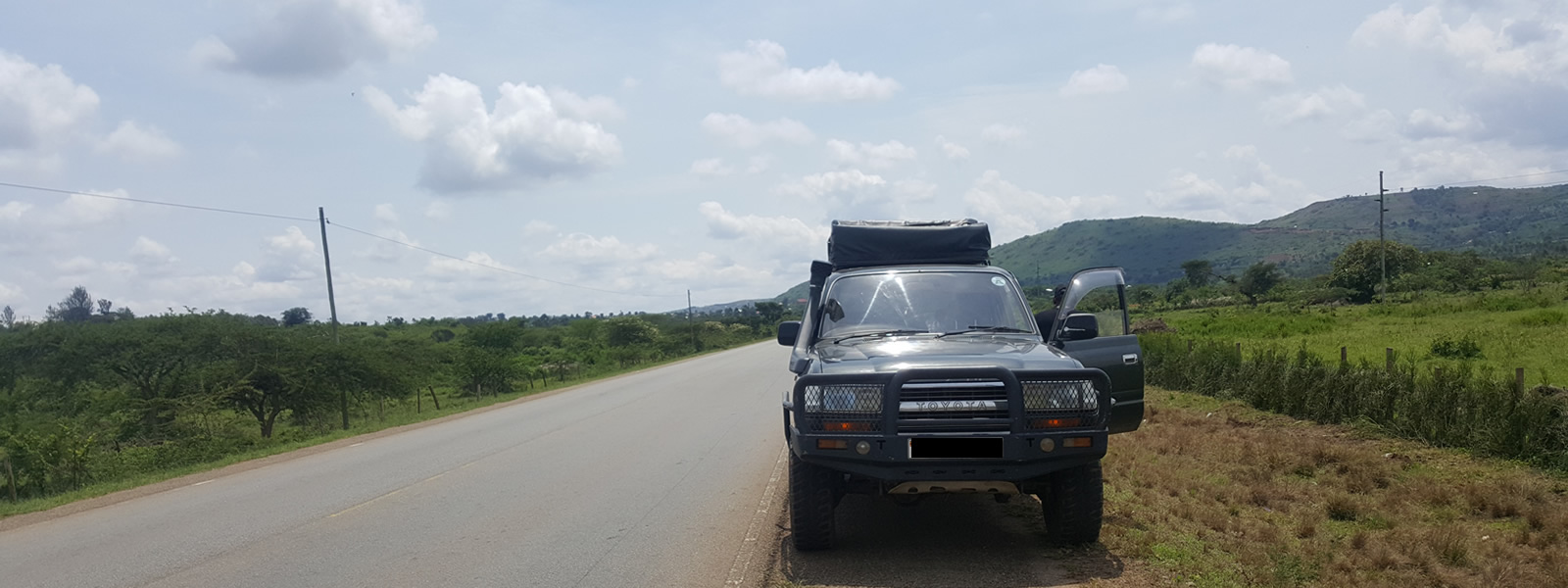
A regular car may suit paved highways and town travel, but a 4×4 is often more appropriate for remote destinations and rough park roads. Choose your vehicle according to your route rather than simply its appearance.
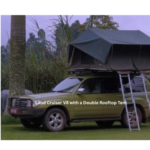
Renting a Car with a Rooftop Tent
Imagine driving through western Uganda, watching the sunset over the hills and spending the night at a campsite beneath a sky full of stars. A rooftop tent makes this kind of adventure possible, combining transport and accommodation in one convenient package.
However, safe camping requires a little preparation. Choose designated campsites, check the weather and learn how to secure the tent before setting off. Keep food and rubbish properly stored, and follow campsite instructions about wildlife.
Remember that a rooftop tent does not protect you from dangerous animals. Never approach wildlife on foot, and do not leave your vehicle or tent area when park staff advise against it. A reliable 4×4, suitable camping equipment and a well-planned route can make your experience both comfortable and enjoyable.
Renting a Car for a Safari Drive
Uganda offers excellent self-drive safari opportunities in destinations such as Queen Elizabeth National Park, Murchison Falls National Park and Lake Mburo National Park.
A suitable 4×4 provides better ground clearance and traction on rough roads, particularly after rainfall. Before entering a park, check road conditions and follow the rules set by the Uganda Wildlife Authority.
Keep a safe distance from animals, remain inside your vehicle during game drives unless authorised otherwise, and never attempt to feed or approach wildlife. If you are unfamiliar with off-road driving, a rental car with an experienced driver-guide may be a better option.
How Safe Is Uganda’s Climate and Driving Environment?
Uganda has a generally warm tropical climate, but rainfall can significantly affect road safety. The main rainy seasons typically occur around March to May and September to December, although conditions vary across the country.
During heavy rainfall, rural roads can become muddy, slippery or flooded. Mountainous areas, including parts of the Rwenzori region and Mount Elgon, can experience landslides.
A road that looks easy to navigate in the morning may become difficult after an afternoon downpour. Before travelling, check the weather forecast and ask your rental company or accommodation about current road conditions.
Carry drinking water, sun protection and suitable clothing for colder highland areas. If you are camping, secure your equipment and avoid exposed locations during thunderstorms. Never attempt to cross floodwater when its depth or current is uncertain.
Political Safety in Uganda
Uganda welcomes international visitors, but political demonstrations and election-related events can sometimes cause disruption or unrest.
Travellers should avoid demonstrations, political rallies and large gatherings, even when they appear peaceful. Such situations can change quickly and may lead to road closures or delays.
Before travelling, check your government’s latest travel advice and follow local news. If you encounter a demonstration while driving, keep your distance and choose a safe alternative route. Staying informed and keeping your itinerary flexible can help you avoid unnecessary risks.
Regional Security in Uganda
Security conditions vary across Uganda, so it is important to understand the areas you plan to visit. These are general guidelines rather than guarantees of safety. Always consult current official travel advice before setting off, as conditions can change.
Central Uganda: Kampala and Entebbe are popular starting points for road trips. Take care in heavy traffic, keep valuables out of sight and use secure parking to reduce the risk of theft.
Western Uganda: This region is famous for gorilla trekking, chimpanzees and wildlife safaris. However, some areas near the Democratic Republic of the Congo border have experienced serious security incidents. Check current travel advisories before visiting border areas and national parks in the region. In most cases tourists and foreigners who have faced security challenges and some losing their lives has happened in the western Uganda in areas around Queen Elizabeth National Park. However, must understand that security at this area is not scaring and is good for travellers.
Northern and northeastern Uganda: Conditions vary by district. Some areas have experienced cattle raiding, banditry and other security incidents. Check local advice before travelling, particularly to remote destinations and areas near international borders.
Eastern Uganda: Jinja, Sipi Falls and Mount Elgon attract visitors interested in adventure and nature. Heavy rainfall can affect mountain roads, while landslides may occur in some areas. Check local conditions before travelling to remote locations.
Safety in Uganda’s National Parks and Game Reserves
Uganda’s national parks offer unforgettable wildlife experiences, from gorilla trekking in Bwindi to game drives in Murchison Falls and boat trips in Queen Elizabeth National Park. However, these are natural environments where visitors must follow safety rules.
Must use a stronger 4wd safari customised cars, in Uganda mainly the Toyota Land Cruiser Prado TX, Land Cruiser V8, Land Cruiser Hardtop and the Safari Land Cruiser Extended are the most preferred vehicle set to handle all tuff terrains and can even drive off-road.
Stay inside your vehicle during game drives unless park regulations or an authorised activity allow otherwise. Elephants, buffaloes, hippos and other wild animals can be dangerous when approached too closely.
At campsites and lodges, follow staff instructions, especially after dark when wildlife may move through the surrounding area. Use authorised guides for activities such as gorilla trekking and chimpanzee tracking, and never wander away from designated routes.
Some parks lie near international borders where security concerns may arise. Before visiting, check current government travel advisories and contact the Uganda Wildlife Authority for information about park access and any additional precautions.
Following ranger instructions, respecting wildlife and choosing established accommodation can make your safari safer and more enjoyable.